Is Tarmac or Resin Cheaper for a Driveway?
Tarmac is generally cheaper to install than a resin-bound driveway when you compare similar projects. That does not mean every tarmac quote will be lower. A resin overlay on a suitable existing base, for example, involves different work from a completely new driveway that needs excavation and drainage.
The best comparison is not just the price per square metre. It is the total price for the same area, with a clear explanation of the base, drainage and finishing work included.
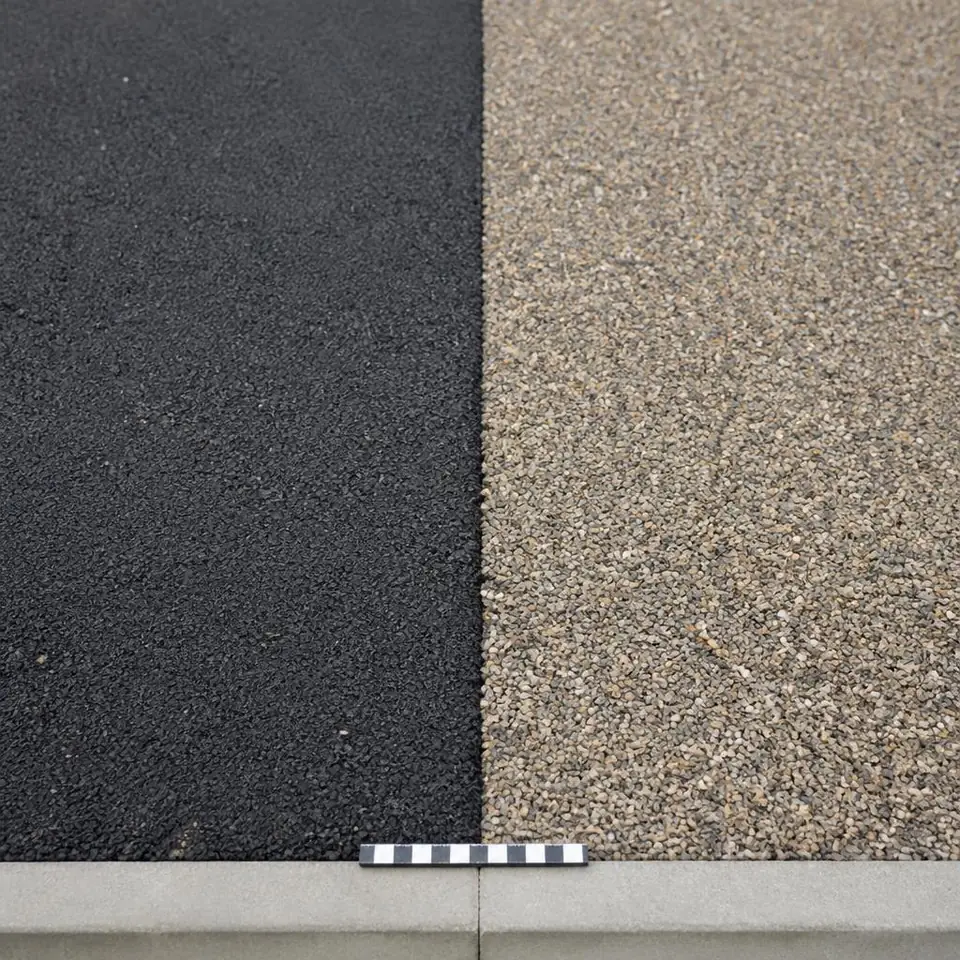
How much do tarmac and resin driveways cost?
As a broad UK guide, Checkatrade's 2026 driveway cost guide lists around £90 per square metre for tarmac and £120 per square metre for resin-bound surfacing, including materials and installation. These are industry estimates, not DPK prices or a quote for your property. The work included, the size of the job and local costs can change the final figure considerably. Ask each contractor to confirm whether VAT, groundwork and disposal are included.
For a simple illustration, multiplying those figures by a 30m² driveway gives approximately £2,700 for tarmac and £3,600 for resin-bound surfacing. These are arithmetic examples using the published guide, not fixed prices. A small job may cost more per square metre, and either option can cost more if substantial base or drainage work is needed.
Why do prices vary so much?
The surface is only one part of the job. Before comparing two quotes, check whether each includes:
- Removing the existing surface and taking waste away.
- Repairing or replacing the base and preparing the ground.
- The planned surface depth and suitable construction for the vehicles using it.
- Drainage, channels and any necessary adjustments around the property.
- Edging, access covers, thresholds and finishing details.
- Labour, VAT and any exclusions or conditions.
An existing concrete or tarmac surface may be suitable for a resin overlay if it is sound, stable and properly prepared. It must be assessed first; a surface that is cracked or moving may need work before a new finish can be laid. Resurfacing suitable tarmac may also involve less preparation than building a new driveway from scratch.
What about maintenance and repairs?
Both surfaces need care. A tarmac driveway can develop cracks or worn areas over time, and oil or fuel spills should be dealt with promptly. Repairs may be possible, although a new patch can look different from the surrounding surface. Ask the installer what maintenance is appropriate for the particular surface rather than assuming it needs sealing on a fixed schedule.
A resin-bound driveway also needs regular sweeping and occasional cleaning. Leaves and debris can collect, particularly in shaded areas, and spills should be addressed using methods suitable for the product. Local repairs may be visible because a new patch can differ in colour or texture from the existing finish.
Neither option is automatically cheaper over its lifetime. The base, traffic, maintenance and any future repairs all affect the cost. A well-specified installation matters for both.
Which surface handles rainwater better?
Resin-bound aggregate can allow water through the surface, but the whole construction and drainage arrangement matter. If it is laid over an impermeable base, water cannot simply soak through that base. Standard dense tarmac is generally impermeable, although porous asphalt systems also exist. An impermeable driveway can be designed with suitable drainage rather than relying on the surface itself.
For a domestic front garden in England, planning rules depend on the area and where rainwater goes. Government guidance says that where more than 5m² is covered, planning permission is needed for an impermeable surface if the water is not directed to a permeable area. Other restrictions may apply, so check your proposal with the local planning authority. See the government guidance on permeable front garden surfacing.
Which driveway should you choose?
Tarmac may suit you if keeping the initial cost down is your main priority and you prefer a straightforward dark finish. Resin-bound surfacing offers a range of aggregate colours and a different appearance, but the price and suitability still depend on the work beneath it.
If you already have a driveway, start by checking its condition. An overlay may be an option, but it should not be used to hide an unstable base. Discuss your drainage and expected vehicle use before choosing either material.
Frequently asked questions
Can resin be laid over an existing tarmac driveway?
Sometimes. The tarmac needs to be assessed for stability, condition and suitability, and the proposed drainage needs consideration. Repairs or a new base may be necessary before resin is laid. Read our guide to laying resin over concrete or tarmac.
Is resin always more expensive than tarmac?
No. Tarmac is often cheaper for comparable projects, but quotes can overlap. A resin overlay on a suitable base may be priced differently from a full tarmac installation with excavation and new foundations. Compare the scope of work as well as the total.
Is resin-bound surfacing maintenance-free?
No. It needs occasional cleaning and attention to spills and damage. Follow the care instructions for the installed product and read our resin driveway maintenance guide.
Get a resin driveway quote in Kent
If you are considering resin-bound surfacing, we can discuss your existing driveway and the work needed for your property. Call Driveway and Patio Kent on 07538 912 391 or request a free written quote. You can also explore our resin-bound driveway service.