Warm or pale aggregate
A lighter or warmer direction may suit some traditional settings; the actual stone and delivered colour should be confirmed.
Driveway and Patio Kent
Loading driveway and patio information…
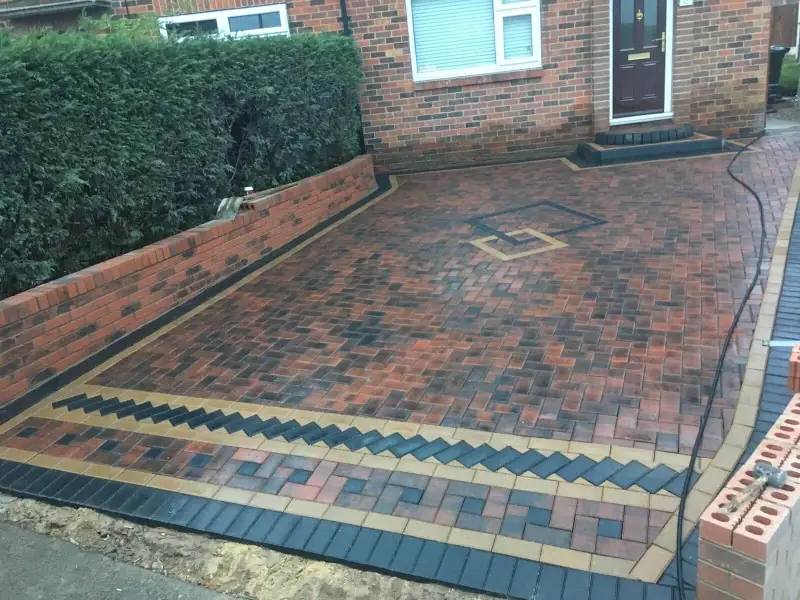
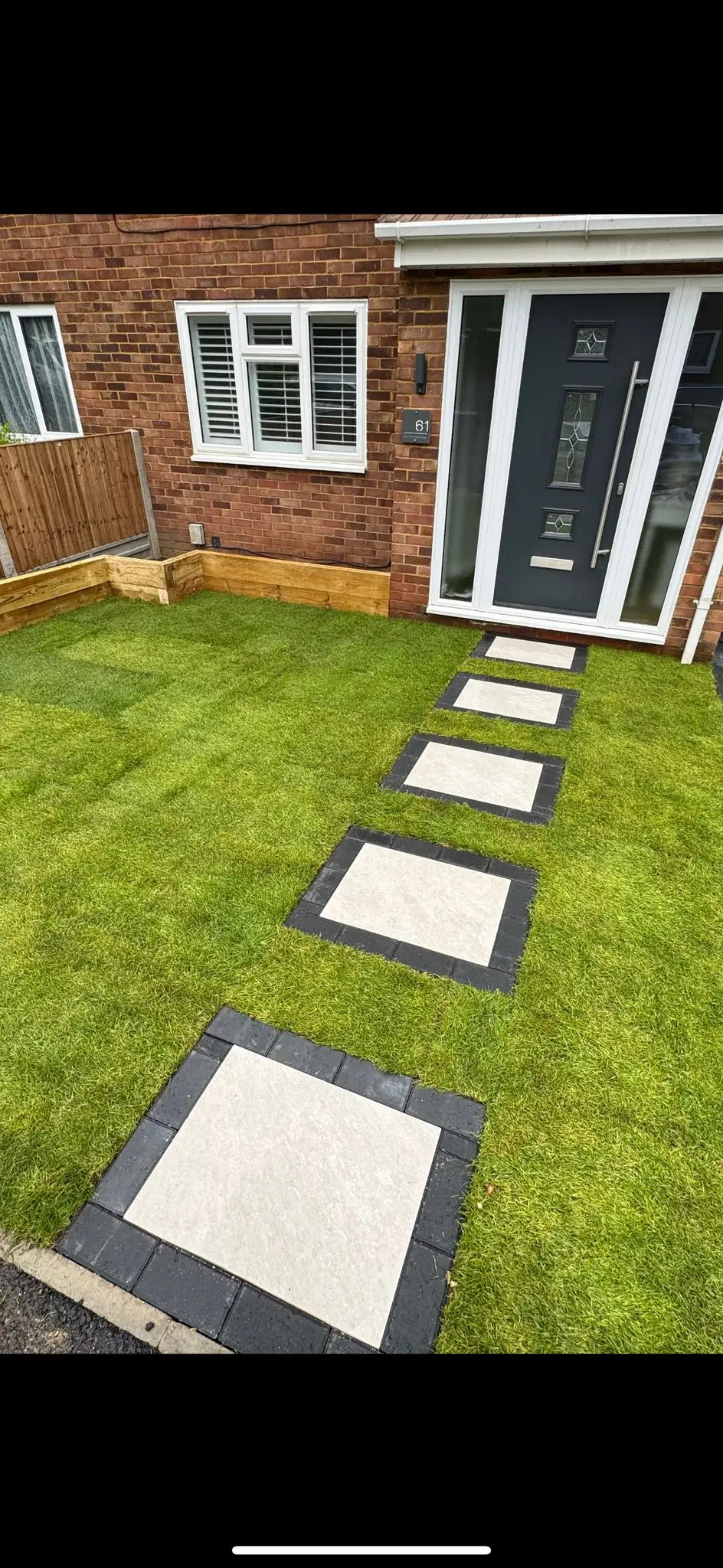
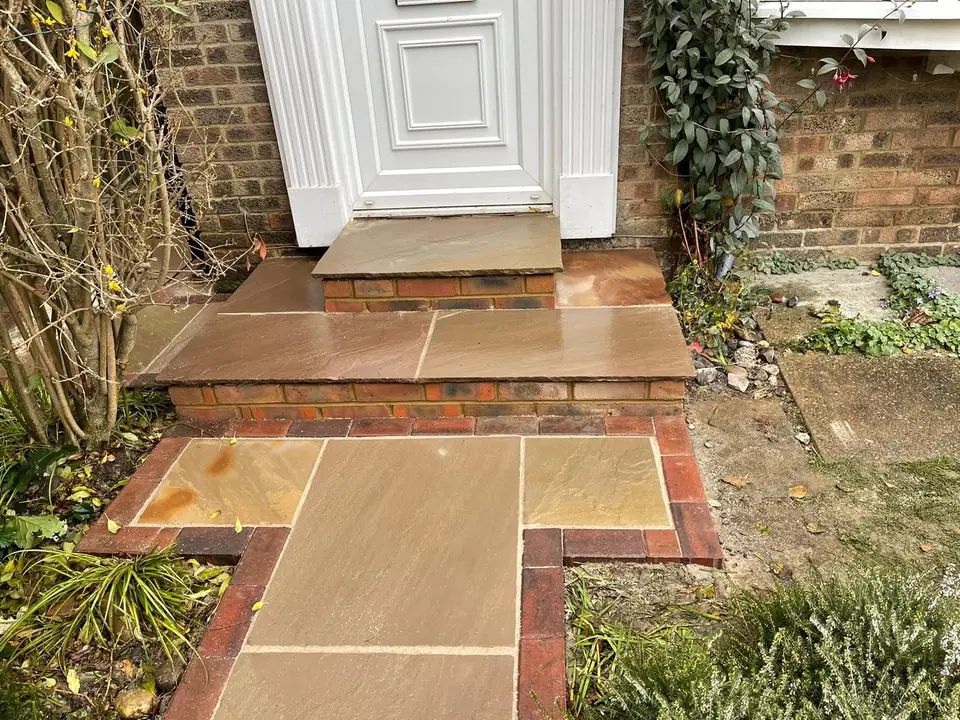
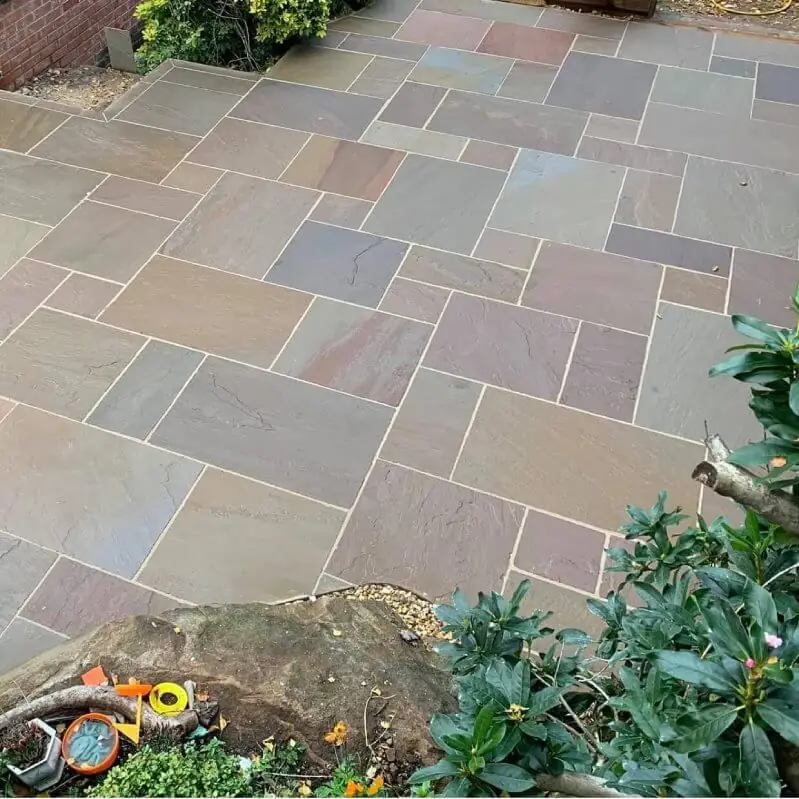
Gravel can provide a loose-stone surface with a choice of colour, size and appearance. The result depends on the property, not the aggregate name alone. Consider the ground, sub-base, edging, access, gradient, drainage and intended use.
We are fully insured and provide free written quotes. A written scope can describe the aggregate, preparation, optional membrane or stabilisation approach, edges, access assumptions and maintenance boundaries. It should not present one gravel build-up as universal.
Gravel may suit a driveway, parking area, entrance or path with a loose-stone appearance. It offers a flexible choice of aggregate. Gradient, vehicle movement, access, edging and the support below it still need assessment.
Assess the existing ground or surface, visible ruts and water routes. Also check boundaries, gates, turning areas and how the entrance meets a road, pavement or shared route.
Aggregate colour, stone type, size, shape and depth change the character of a gravel driveway. Samples or photographs can help compare options. Consider the delivered aggregate and the surrounding property in context.
Angular aggregate may behave differently from rounded stone under vehicle and foot traffic. The choice depends on the product, gradient, access, intended use, edging and the appearance wanted.
A lighter or warmer direction may suit some traditional settings; the actual stone and delivered colour should be confirmed.
Darker or blended stone creates a different visual relationship with paving, walls and planting. Review a current sample where possible.
Shape and size affect movement and the way the surface feels under tyres and feet. Product selection remains site-dependent.
Preparation can include excavation or removal, consideration of the ground, a suitable sub-base and compaction. It also includes the gravel depth and finished levels. There is no universal depth or sub-base detail.
A membrane may suit some ground, drainage and construction arrangements. It is not an automatic weed-proof or drainage solution. Confirm its purpose and compatibility in the site-specific build-up.
Check levels, soft areas, standing water, existing ruts and any retained construction before choosing the preparation.
The support should reflect the ground, vehicle use, drainage route, access and proposed gravel surface.
A membrane can be considered for the particular construction, but it does not remove the need to address ground, drainage or aggregate movement.
Edging defines the perimeter and the transition to paths, lawns, walls, gates and the road. Choose it with the levels and the support below. Do not add it only as decoration after spreading the gravel.
Loose stone can move towards entrances, edges and wheel paths. Aggregate shape, depth, compaction, gradient, turning movements and optional stabilisation can affect migration and rutting. No single measure guarantees that stone will never move.
Consider falls and drainage with the existing ground, thresholds, downpipes, gullies and boundaries. Plan the intended route for water. Gravel is not automatically a drainage or planning-compliant solution.
A gradient can increase movement and rutting. Access affects delivery, excavation, removal, storage, equipment and the route from the road to the work area. Describe steep, narrow or shared access before fixing the aggregate and preparation.
Gravel is not maintenance-free. Ongoing care may include sweeping or raking, topping up displaced stone, keeping edges defined and removing leaves or local weeds. Frequency depends on the aggregate, gradient, use, weather and planting.
Care is not a guarantee against migration, rutting or weed growth. Ask for product- and site-specific guidance. Keep drainage routes and edge details visible so changes can be identified.
Area alone does not determine the scope. A small entrance may have a difficult gate, slope or road transition. A larger driveway may need separate parking, turning, drainage, edging and aggregate zones.
A useful enquiry gives enough context to discuss aggregate and construction. Photographs help, but they are not a survey. Include the location, approximate dimensions, intended vehicle and pedestrian use, existing ground or surface, access route, gradient, drainage concerns and preferred appearance.
Request a free written quote · See the illustrative driveway gallery · View all driveway and patio services
Compare gravel with resin-bound and block paving when movement, appearance, drainage, edging, access, jointing or repair questions point in another direction. The area pages add local context for Canterbury, Ashford and Maidstone.
Compare resin-bound driveways · Compare block-paving driveways · Gravel driveways in Canterbury · Gravel driveways in Ashford · Gravel driveways in Maidstone · Block paving driveway guide · Resin-bound comparison guide · Driveway and drainage guide
Gravel driveway services are available across Kent, including Canterbury, Ashford, Maidstone, Dover, Folkestone, Thanet, Whitstable, Herne Bay, Faversham, Deal, Sandwich and Margate.
There is no universal best aggregate. Compare colour, size, shape and stone type with the property, gradient, access, vehicle use, edging, maintenance and the appearance wanted.
Preparation depends on the ground, existing surface, levels, drainage and vehicle use. It can include excavation or removal, a suitable sub-base, compaction and an agreed gravel depth.
A membrane may suit the particular ground, drainage and construction. It is not an automatic weed-proof or drainage solution. It does not replace suitable preparation.
Aggregate choice, depth, edging, the support below, gradient, turning movements and optional stabilisation can all be considered. They can manage movement but do not guarantee that loose stone will never migrate or rut.
It may be possible, but gradient can increase movement and rutting. The slope, falls, drainage, access, edging, vehicle use and any stabilisation option should be assessed before the surface is specified.
Gravel may need raking or redistribution, topping up, edge attention and removal of leaves or local weeds. The amount depends on the aggregate, use, gradient, weather and surrounding planting.
Share the location, approximate dimensions, photographs, existing ground or surface, intended vehicle and pedestrian use, access route, gradient, drainage features, aggregate direction and whether edging, membrane or stabilisation is being considered.
Request a free written gravel driveway quote or call 07538 912 391.